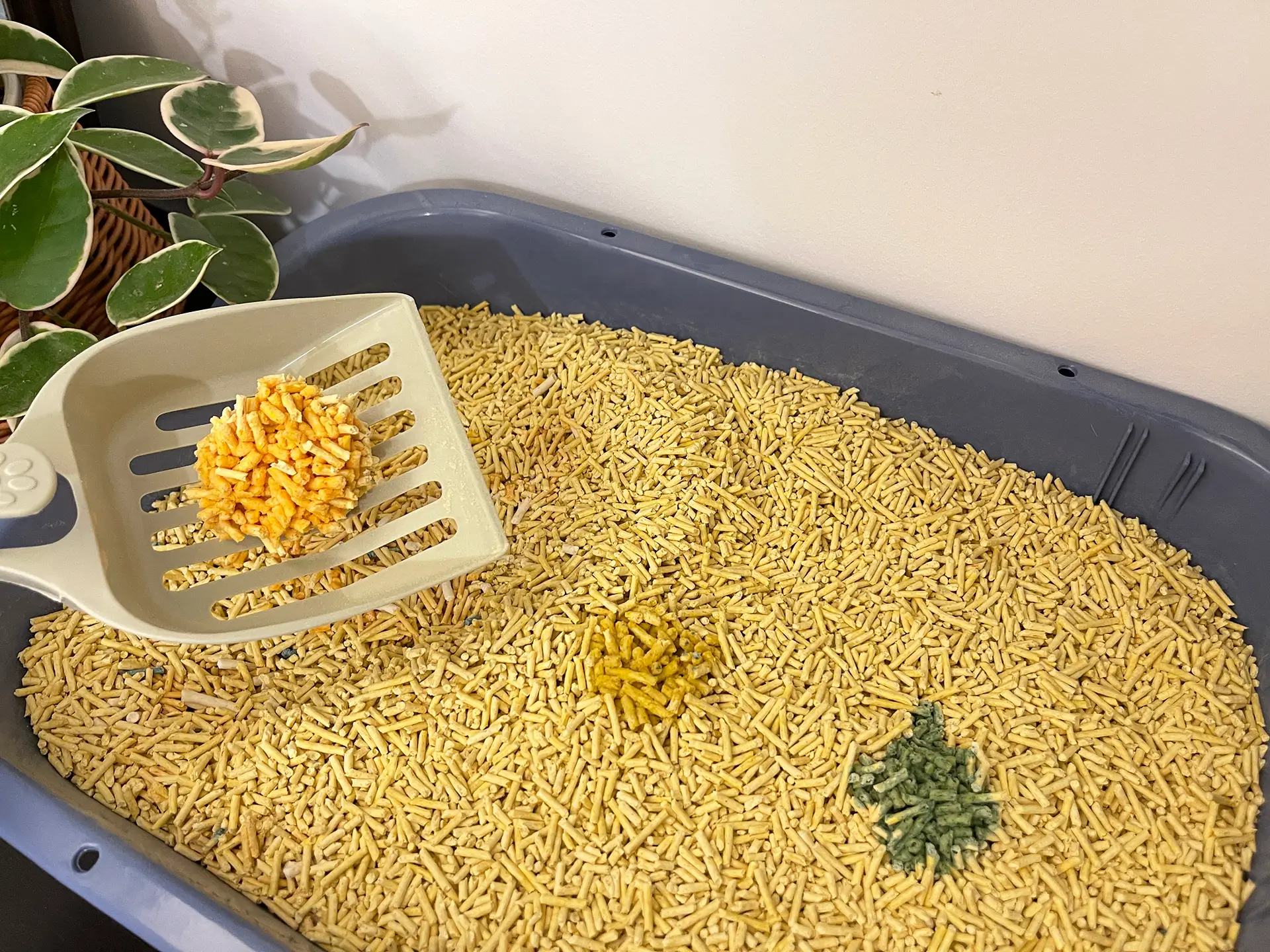
What cat litter is best depends on your priorities: odor control, maintenance, sustainability and budget. To help you choose quickly, this guide gives situation-driven picks and practical tradeoffs so you can match product to use case. Premium sodium bentonite clumping clay generally ranks highest for odor control and fast clumping, silica crystals reduce daily scooping by keeping the box drier, and wheat or grass formulas offer biodegradable options.
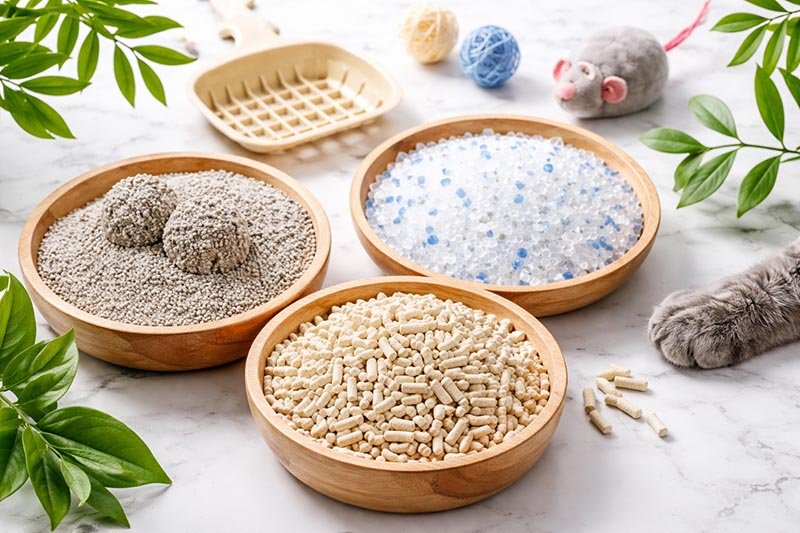
Key takeaways
- Best overall: Premium sodium bentonite clumping clay delivers fast, firm clumps and strong odor control. It works well for performance-focused households and multi-cat environments.
- Low maintenance: Silica crystal or silica-hybrid litters soak up moisture and keep the box drier for longer. They reduce daily scooping but usually require full replacement rather than spot-scooping.
- Eco choice: Wheat, corn and grass clumping litters break down more easily than clay and use renewable inputs. Expect some tradeoffs in absorbency and clump speed, so test blends in your market.
- Budget and multi-cat: Bulk non-clumping clay lowers unit cost for price-sensitive buyers. It requires more frequent full changes and higher monthly volume than clumping options.
- Switching safely: Move litters over 7-14 days, scoop daily and watch for signs the cat rejects the new material. Validate private-label formulas with free samples and packaging mockups before committing to an MOQ.
What cat litter is best: quick picks by situation
If you are asking what cat litter is best, think about odor control, dust, kitten safety, household size and cost. Use the situation-driven picks below to match a litter to your channel or customer profile without wading through every lab chart.
- Top overall: Premium sodium bentonite clumping clay provides firm clumps and effective odor control. Choose a low-dust formula when airborne particles are a concern.
- Best low-maintenance: Silica crystals absorb moisture quickly and limit tracking, which extends the time between full changes. They tend to cost more per unit and are not ideal for spot-scooping.
- Best eco/natural: Wheat or grass clumping litters break down and compost more readily than clay. They can perform well in certain climates, but cat acceptance varies.
- Safest for kittens: Paper pellets suit very young kittens, while low-dust clumping litters are better for older kittens around eight to twelve weeks. Avoid silica crystals for very young or chewer-prone kittens because of ingestion and respiratory risks.
- Budget pick: Basic clay sold in bulk reduces upfront cost when price is the primary driver. Expect higher monthly volume and more frequent full litter changes than with clumping products.
Recent independent tests tend to show clumping clay leading for odor control and several dust measures. For private-label SKUs, request samples and packaging mockups to verify dust and odor performance before committing to an order.
How clumping, silica and non‑clumping litters compare
Recent lab and hands-on testing tends to favor premium sodium bentonite clumping clay on odor control and dust metrics. Fast, strong clumps let you remove urine and feces quickly, which reduces lingering odors and the amount of fine material left behind. Clump strength and scooping ease matter most in high-traffic households because durable clumps lower tracking and simplify maintenance.
Brand examples that often perform well include Boxiecat Probiotic, Fresh Step Heavy Duty and Dr. Elsey’s, each showing rapid coagulation and durable clumps in several reviews. Formulations still vary, so check explicit low-dust claims and independent results when comparing options. Several technical studies quantify particle size and dust content; see the particle size and dust content in cat litter analysis for more detail.
Silica and non-clumping litters work by dehydrating waste rather than forming clumps, so they absorb a lot of moisture and keep the box feeling dry longer. Tradeoffs include higher cost per unit and the need for periodic full replacement rather than daily spot-scooping. Also factor in ingestion or respiratory concerns for curious kittens and match the type to your cats’ ages, household size and box habits (see Purina’s overview of types of cat litter for a straightforward breakdown).
Natural and biodegradable litters: what to expect
Natural and biodegradable litters trade some performance for compostability and lower environmental impact. Wheat and corn clumping litters often clump well and reduce tracking compared with loose pellets. Pine and paper options usually lag in odor control and cat acceptance, so check disposal guidance before composting or flushing. For independent buying guidance, consult the Consumer Reports best cat litter roundup.
Biodegradable litter can work well for brands and households that accept slightly different odor or tracking performance and that follow local disposal rules. Many wheat, corn and paper litters are backyard-compostable but not universally accepted by municipal programs, and flushing is rarely recommended unless the manufacturer explicitly permits it. Compare cost, supply reliability and packaging choices when scaling an SKU that fits your market.
Cost, usage and picking for multi‑cat households
Estimate monthly cost using this formula: monthly liters per cat times price per liter equals monthly cost per cat. Plan on about 4-6 liters per cat per month for clumping litters and 8-14 liters for non-clumping options.
Price per liter varies widely, roughly $1.50 to $5.00 depending on economy or premium formulas. That typically translates to about $16 to $30 per month for one cat and $48 to $90 for three cats before discounts.
For example, premium clumping at 5 L times $4.00 equals about $20 per cat per month, while economy non-clumping at 12 L times $1.50 equals about $18 per cat per month. Measure weekly use, multiply by 4.3 to get a monthly figure, and factor in bulk or subscription discounts of 10-35 percent to lower costs for multiple cats or retail customers.
In busy multi-cat homes choose heavy-duty sodium bentonite clay with firm clumping and strong odor control. Clay typically wins independent comparisons for odor and many dust metrics, while silica can extend time between box changes. Provide one litter box per cat plus one extra, scoop twice daily and select higher clump strength for high-volume use.
Switching litters safely and troubleshooting common problems
Stage a litter change over 7-14 days to prevent scent shock and rejection. A practical schedule is:
- Days 1-3: mix 25% new litter with 75% old litter, scoop daily and keep routines consistent.
- Days 4-7: mix 50% new with 50% old.
- Days 8-10: mix 75% new with 25% old.
- Days 11-14: switch fully to the new litter.
Scoop daily, maintain a consistent depth of about 2-3 inches depending on formula, and keep feeding and toileting routines steady.
Provide an extra box during the transition so the cat always has a clean fallback, and place boxes in quiet, accessible locations. Avoid deep-cleaning the pan mid-switch because removing familiar scent can cause avoidance, and keep the same pan style when possible so only the litter changes.
If a cat avoids the box, add boxes, relocate the pan to a quieter spot, or try a finer or coarser texture to find a preferred feel. For dust or allergy symptoms improve ventilation, switch to a low-dust clay formula or paper alternatives, and wipe paws after use to limit tracking.
If vomiting, diarrhea, lethargy or respiratory signs appear, stop the new litter and consult a veterinarian immediately. Some bentonite sources can contain crystalline silica dust, so choose tested low-silica formulations when kittens or chewers are a concern — see relevant respiratory exposure and health risk research for more on inhalation risks.
What cat litter is best for you
Haisenpet helps retailers and brands validate formulas quickly with free samples, professional packaging mockups and custom formulations tailored to regional climates and retail channels. Learn more About Haisenpet.
We operate as a Premium Cat Litter Manufacturer for Your Brand, hold ISO9001 and BSCI certifications, support reasonable MOQs and manage global logistics to reduce launch risk. Request up to three free samples and a packaging mockup to run hands-on tests in your market, then pick the formula that answers what cat litter is best for your customers.